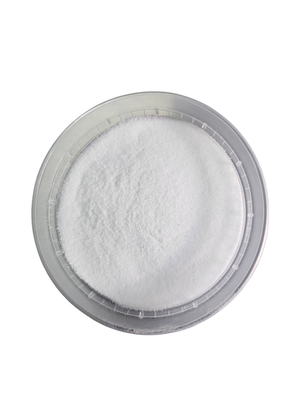
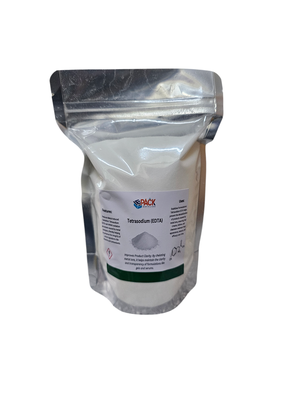
Tetrasodium (EDTA)
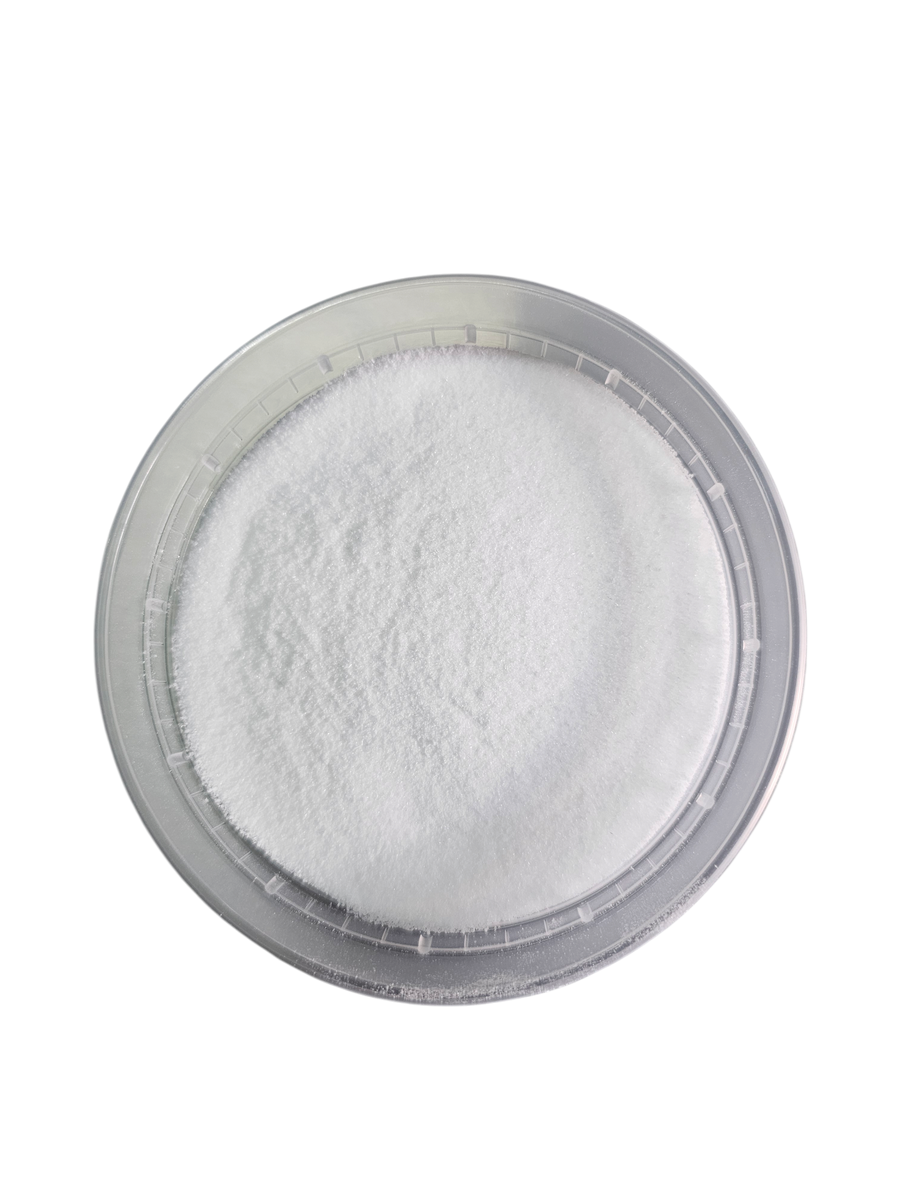
Tetrasodium EDTA
(Ethylenediaminetetraacetic acid) is a chelating agent commonly used in cosmetics and skincare products. Its primary role is to bind metal ions that can cause product instability or spoilage.
While it is not directly a cosmetic "benefit" in terms of skin improvement or aesthetic enhancement, it provides several functional benefits that contribute to the overall performance and stability of cosmetic formulations. These benefits include:
Stabilizes Formulations: Tetrasodium EDTA helps prevent the destabilization of products caused by metal ions, ensuring that creams, lotions, and cleansers maintain their appearance, texture, and efficacy over time.
Enhances Preservative Effectiveness: By binding metal ions that could deactivate preservatives, Tetrasodium EDTA enhances the efficacy of preservatives, helping to prevent microbial growth and extend shelf life.
Prevents Metal-Related Staining: It can reduce the potential for metal-induced staining or discoloration in cosmetic products.
Improves Product Clarity: By chelating metal ions, it helps maintain the clarity and transparency of formulations like gels and serums.
Reduces Metal-Induced Oxidation: Tetrasodium EDTA can inhibit oxidation processes caused by metal catalysts, thereby helping to preserve the integrity of active ingredients like vitamins and antioxidants.
Note: Tetrasodium EDTA itself does not have direct skin benefits such as moisturizing, anti-aging, or brightening effects. Its role is primarily as a stabilizer and preservative booster in cosmetic formulations.
Safety & Usage: When used within recommended concentrations, Tetrasodium EDTA is generally considered safe for topical use, but some individuals with sensitive skin may prefer products without it.